Debt often carries a heavy weight in financial conversations, conjuring images of stress and uncertainty. However, when understood and managed wisely, debt is not merely a financial burden but a powerful vehicle that can propel individuals and businesses toward growth and opportunity. This article offers a refined exploration of debt—its nuances, types, benefits, risks, and practical strategies—crafted to provide insightful guidance for mastering your financial obligations with confidence and grace.
Understanding Debt: More Than Just Owing Money
At its essence, debt is a financial agreement wherein one party borrows an asset, commonly money, with the commitment to repay it, usually with interest, over an agreed time frame. Debt functions as a bridge between immediate needs and future resources, enabling people to invest in homes, education, businesses, or navigate unexpected expenses without waiting to accumulate funds.
Far from being inherently negative, debt is a strategic tool that, if wielded responsibly, can enhance financial flexibility, facilitate major life goals, and establish creditworthiness for future endeavors.
The Varieties of Debt: Knowing Your Options
Debt is not a singular entity; it manifests in various forms tailored to different purposes and financial capacities.
Secured Debt
Secured debt is backed by collateral, meaning the lender has a claim on a specific asset if repayment falters. This backing often results in lower interest rates due to minimized lender risk. Examples include:
-
Mortgage Loans: Backed by the property itself.
-
Auto Loans: Secured by the vehicle purchased.
The tangible collateral provides security but also underscores the seriousness of repaying the debt to avoid asset loss.
Unsecured Debt
Unsecured debt carries no collateral and is granted solely on creditworthiness, typically attracting higher interest rates. Examples include:
-
Credit Cards: Offering revolving credit with flexible repayment options.
-
Personal Loans: Fixed repayment loans without secured assets.
Because these debts lack collateral, missed payments generally impact credit scores and financial standing more directly.
Revolving Debt
Revolving credit, exemplified by credit cards and lines of credit, allows borrowers a credit limit they can repeatedly use and repay. It offers unparalleled flexibility but requires discipline to manage balances and avoid spiraling interest costs.
Installment Debt
Installment debt involves fixed payments over a set period. Mortgages, student loans, and auto loans fall into this category, providing predictable budgeting and gradual debt reduction.
The Dual Nature of Debt: Opportunity and Caution
Debt is a double-edged sword. Embracing its potential unlocks growth; mishandling it invites hardship.
Advantages of Debt
-
Enables Major Purchases: Access homes, vehicles, and education without upfront capital.
-
Promotes Wealth Creation: Financing investments that yield long-term financial returns.
-
Offers Tax Benefits: Certain debts, like mortgages, may provide tax deductions.
-
Builds Credit History: Responsible management fosters a strong credit profile.
The Perils of Debt
-
Interest Accumulation: High-interest debts can grow rapidly, intensifying repayment burdens.
-
Emotional and Financial Stress: Excessive debt can undermine wellbeing.
-
Credit Damage: Defaults and missed payments reduce credit scores.
-
Risk of Asset Forfeiture: Secured debts carry the risk of losing valuable property.
Mastering Debt: Strategies for Smart Management
Effective debt control blends awareness, planning, and disciplined execution.
Create a Comprehensive Debt Inventory
Start by listing all debts with details about amounts, interest rates, monthly payments, and due dates. This clarity is the foundation for prioritization.
Adopt a Realistic Budget
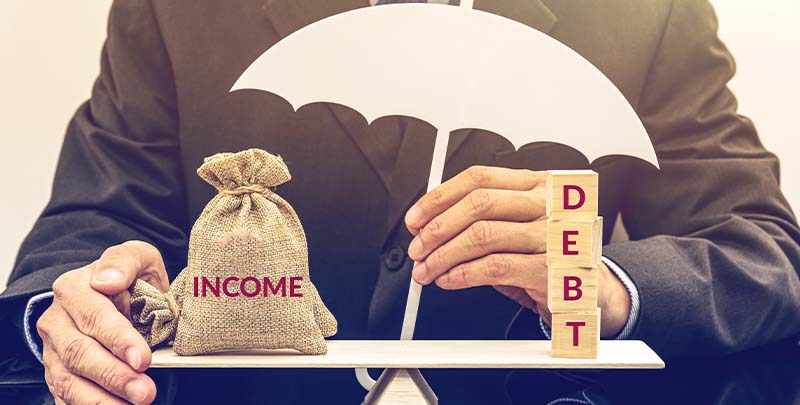
Balance income with expenses and allocate specific amounts to debt repayment. Frameworks like the 50-30-20 rule can guide financial allocation toward essentials, wants, and savings/debt reduction.
Choose a Repayment Method That Fits You
Common approaches include:
-
Debt Snowball: Tackle the smallest debt first to build motivation.
-
Debt Avalanche: Prioritize debts with the highest interest rates to minimize cost.
Selecting the best method depends on personality and financial context.
Automate and Monitor
Setting automatic payments prevents missed deadlines, preserving credit standing. Regularly monitoring statements helps identify discrepancies or fraudulent activities early.
Explore Consolidation and Refinancing Options
Consolidating multiple debts into a single loan with a lower interest rate simplifies management and can reduce interest payments. Refinancing existing loans may also secure better terms.
Boost Income and Reduce Non-Essential Spending
Consider side jobs or freelance work, and analyze discretionary spending to free resources for more aggressive debt repayment.
Seek Expert Assistance When Needed
Financial advisors or credit counselors can provide tailored plans, negotiate with creditors, and offer moral support.
Cultivating a Healthy Relationship With Debt
Debt management is more than a tactical exercise; it’s a mindset shift. Viewing debt as a tool rather than a trap fosters financial confidence and resilience. Celebrate small victories and maintain realistic expectations—debt reduction is a marathon, not a sprint.
Conclusion: Transforming Debt Into a Catalyst for Financial Strength
Debt need not be a source of dread. With knowledge, strategy, and intentionality, you can harness debt to advance your financial goals while mitigating risks. The blend of clear understanding, proactive planning, and consistent execution transforms debt from a restrictive obligation into a constructive financial instrument.
By embracing these principles, you position yourself not only to navigate debt successfully but also to build lasting financial stability and growth. The journey toward financial mastery begins with a mindful approach to debt, turning potential challenges into opportunities for empowerment and prosperity.