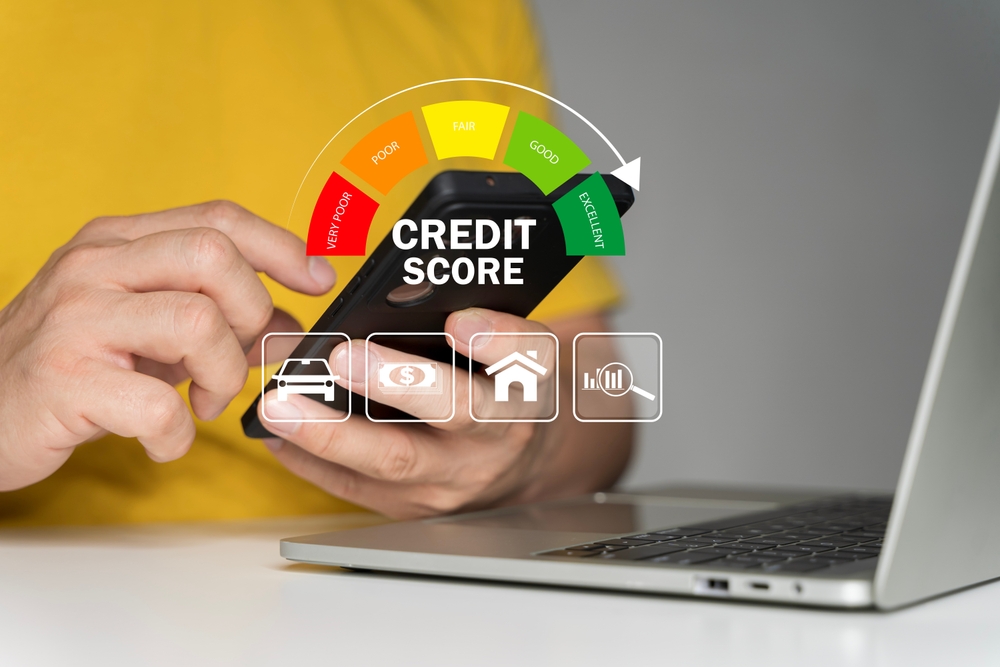
Your credit score is more than just a number—it’s a financial snapshot that lenders use to judge your reliability. Debt plays a central role in shaping that score, influencing how you’re perceived over months and even years. Understanding this relationship helps you make smarter borrowing decisions and avoid long-term damage.
The Connection Between Debt and Your Credit Score
A credit score is designed to predict how likely you are to repay borrowed money. Debt itself doesn’t automatically hurt your score—it’s how you manage that debt over time that matters.
Credit scoring models look at patterns, not isolated moments. Consistent behavior, whether good or bad, compounds in much the same way interest does.
Key Credit Score Factors Affected by Debt
Payment History (Most Influential Factor)
Payment history reflects whether you pay your debts on time.
Late or missed payments:
-
Lower your score significantly
-
Stay on your credit report for years
-
Have a compounding negative effect if repeated
On-time payments, even on large debts, steadily strengthen your credit profile over time.
Credit Utilization Ratio
Credit utilization measures how much of your available credit you’re using.
Best practices include:
-
Keeping balances below 30% of your credit limits
-
Paying down revolving balances regularly
-
Avoiding maxed-out credit cards
High utilization signals financial stress, even if payments are made on time.
Length of Credit History
Debt tied to older accounts can help your score.
Closing long-standing accounts may:
-
Shorten your credit history
-
Reduce available credit
-
Increase utilization ratios
Time is a powerful ally when debt is managed responsibly.
Credit Mix
Having different types of debt can slightly improve your score.
A healthy mix may include:
-
Revolving credit (credit cards)
-
Installment loans (auto, student, or personal loans)
This shows lenders you can handle varied financial obligations.
New Credit and Hard Inquiries
Applying for new debt creates hard inquiries.
Too many inquiries in a short period:
-
Suggest financial instability
-
Temporarily lower your score
-
Can signal risk to lenders
Spacing out applications minimizes long-term impact.
How Different Types of Debt Affect Your Score Over Time
Credit Card Debt
-
High balances raise utilization
-
Minimum payments slow progress
-
Long-term carrying balances hurts scores even without missed payments
Installment Loans
-
Less impact on utilization
-
Consistent payments build positive history
-
Paying them down steadily improves creditworthiness
Collections and Charged-Off Debt
-
Severely damage scores
-
Remain on reports for years
-
Recovery takes time, even after payment
The Long-Term Effects of Poor Debt Management
Poor debt habits don’t fade quickly. Over time, they can:
-
Increase borrowing costs through higher interest rates
-
Limit access to housing, vehicles, or business loans
-
Affect employment opportunities in some industries
Conversely, disciplined debt management gradually opens financial doors.
How to Improve Your Credit Score While Carrying Debt
You don’t need to be debt-free to have a strong credit score.
Effective actions include:
-
Paying every bill on time without exception
-
Reducing high-interest balances first
-
Avoiding unnecessary new credit
-
Monitoring credit reports for errors
-
Keeping older accounts open and active
Progress may feel slow, but consistency is what credit scoring systems reward.
Why Time Matters More Than Quick Fixes
There’s no shortcut to a strong credit score. While tools like consolidation or balance transfers can help, time and behavior are the real drivers of improvement.
Responsible debt use over months and years tells a clear story—one lenders trust.
Frequently Asked Questions (FAQ)
Does having debt automatically lower your credit score?
No. Debt only hurts your score when it’s mismanaged through late payments, high balances, or frequent credit applications.
How long does negative debt information stay on a credit report?
Most negative marks remain for several years, though their impact fades with time and positive behavior.
Is it better to pay off debt or keep a small balance?
Paying off debt is usually better. Keeping balances low and paid regularly is healthier than carrying debt unnecessarily.
Can paying off a loan hurt my credit score?
Temporarily, yes. Closing an account may reduce credit history length or mix, but the long-term effect is usually positive.
How fast can a credit score recover after reducing debt?
Some improvements appear within one to two billing cycles, especially when utilization drops significantly.
Does checking my credit score lower it?
No. Checking your own credit is considered a soft inquiry and does not affect your score.
What’s the biggest mistake people make with debt and credit scores?
Focusing only on balances while ignoring payment consistency. On-time payments matter more than most people realize.